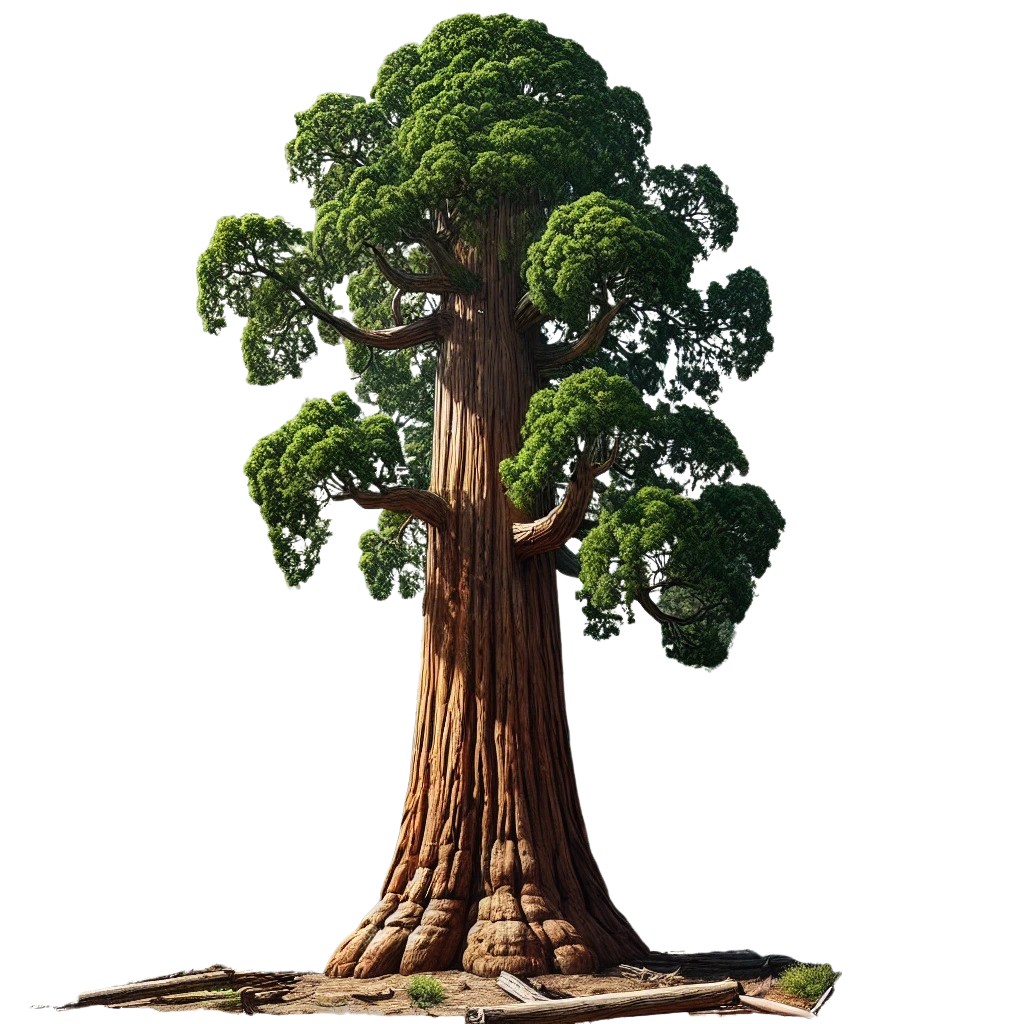
Heading to Sequoia National Park soon? Packing the right gear can make or break your trip.
This guide covers everything you need to pack for each season, along with essential tips for hiking, camping, and exploring this stunning park.
By the end, you’ll know exactly what to bring, so no last-minute panic before your adventure.
What Are the Must-Have Items for Every Trip?

1. Backpack
A well-fitted, durable backpack is crucial for carrying your gear comfortably.
Look for features like padded shoulder straps, a supportive hip belt, and sufficient capacity to accommodate your essentials without being overly bulky.
For example, the Osprey Hikelite 26 is praised for its lightweight design and ventilation system, making it ideal for day hikes
2. Water Bottle or Hydration System
Staying hydrated is paramount.
Opt for a reusable water bottle or a hydration reservoir that holds at least 2 liters of water. This ensures you have enough water for the duration of your hike, especially in remote areas where water sources may be scarce.
3. Navigation Tools
Even if you’re familiar with the trails, it’s wise to carry navigation aids. A topographic map, compass, or GPS device can help you stay on track and navigate unexpected detours
4. Headlamp or Flashlight
A reliable light source is essential, particularly if your hike extends into the evening. A headlamp offers hands-free illumination, which is beneficial for setting up camp or navigating trails in low light conditions.
Always carry extra batteries to ensure your light source remains functional.
5. First-Aid Kit
Accidents may happen, so it is smart to be ready.
A simple first-aid kit should have band-aids, antiseptic wipes, blister care, pain relief medicine, and any personal prescriptions. Adjust your kit based on your needs and how long your trip lasts.
6. Sun Protection
The high elevation of Sequoia National Park means increased exposure to UV rays. Protect yourself with broad-spectrum sunscreen (SPF 30 or higher), lip balm with SPF, and UV-blocking sunglasses. A wide-brimmed hat can also provide shade and further shield you from the sun.
7. Snacks
High-energy, non-perishable snacks are vital for maintaining energy levels during hikes. Consider items like trail mix, granola bars, nuts, and dried fruits. These are lightweight, easy to pack, and provide quick fuel on the go.
8. Emergency Gear
Being prepared for emergencies is crucial. A multi-tool or knife can assist with various tasks, while an emergency bivy sack or space blanket can provide shelter in unexpected situations. The National Park Service recommends carrying these items as part of your essential gear.
9. Trash Bags
Adhering to Leave No Trace principles is vital in preserving the park’s natural beauty. Carry trash bags to pack out all your waste, including biodegradable items like fruit peels.
This helps maintain the pristine environment for future visitors.
How Does Packing Change by Season?
| Season | Clothing | Footwear | Gear & Accessories | Extra Tips |
|---|---|---|---|---|
| Winter | Insulated jacket, thermal layers, waterproof pants | Insulated waterproof boots | Gloves, hat, gaiters, trekking poles, headlamp, sunglasses | Prepare for snow and icy trails |
| Spring | Layered clothing, fleece jacket, rain jacket | Waterproof hiking boots | Bug repellent, hat, water bottle, snacks | Trails may be muddy; weather changes fast |
| Summer | Lightweight clothes, t-shirts, convertible pants | Comfortable hiking boots | Sun protection, daypack, cooling towel, camera, binoculars | Peak season; stay hydrated and protect against sun |
| Fall | Warm layers, fleece or down jacket, rain jacket | Sturdy boots | Headlamp, camera, sunscreen, first-aid kit | Crisp air and colorful foliage; prepare for early darkness |
Which Gear Makes Your Hike Safer and Easier?
- Trekking poles: Help with steep and uneven trails.
- Navigation tools: Map, compass, or GPS for confidence on trails.
- Portable power bank: Keep your phone and camera charged.
- Bear-proof containers: Required for camping in certain areas.
- Headlamp: Short days or unexpected delays need good lighting.
READ ALSO: How to Spot Bears in Sequoia (And Stay Safe While You Do)
What About Camping Gear in Sequoia?
Camping adds a layer of adventure, but preparation is key:
- Tent: Four-season tent for winter; standard tent for other seasons.
- Sleeping bag: Choose according to season; winter trips require warmer bags.
- Sleeping pad: Provides insulation and comfort.
- Stove and cookware: Lightweight and portable, check fire regulations.
- Food storage: Bears are common, so use park-approved containers.
- Water purification: Filter or tablets for safe drinking water.
What Should You Leave Behind?
- Drones: Not allowed in most areas.
- Firearms: Regulated; check park rules.
- Single-use plastics: Reduce waste; carry reusable items.
- Excess electronics: Charging may be limited; avoid heavy gadgets.
Final Tips for a Perfect Sequoia Trip
Packing smart makes your Sequoia trip more enjoyable. Look at the seasonal weather forecast before leaving and adjust your gear as needed. Remember to carry all essentials and a few comfort items to enjoy long hikes, sunrise views, and the calm of the forest.
Save this blog for quick reference and leave a comment if you have a packing tip or a trip experience to share. Your advice can help other travelers plan an amazing Sequoia adventure.

Sebastian Whitmore is a dedicated travel writer with a passion for national parks. His love for nature and adventure drives him to share insightful guides and tips about Sequoia National Park, inspiring others to explore its majestic beauty.